Beyond Aesthetics
from first impression to investment confidence: the role of visual identity and ux in luxury real estate
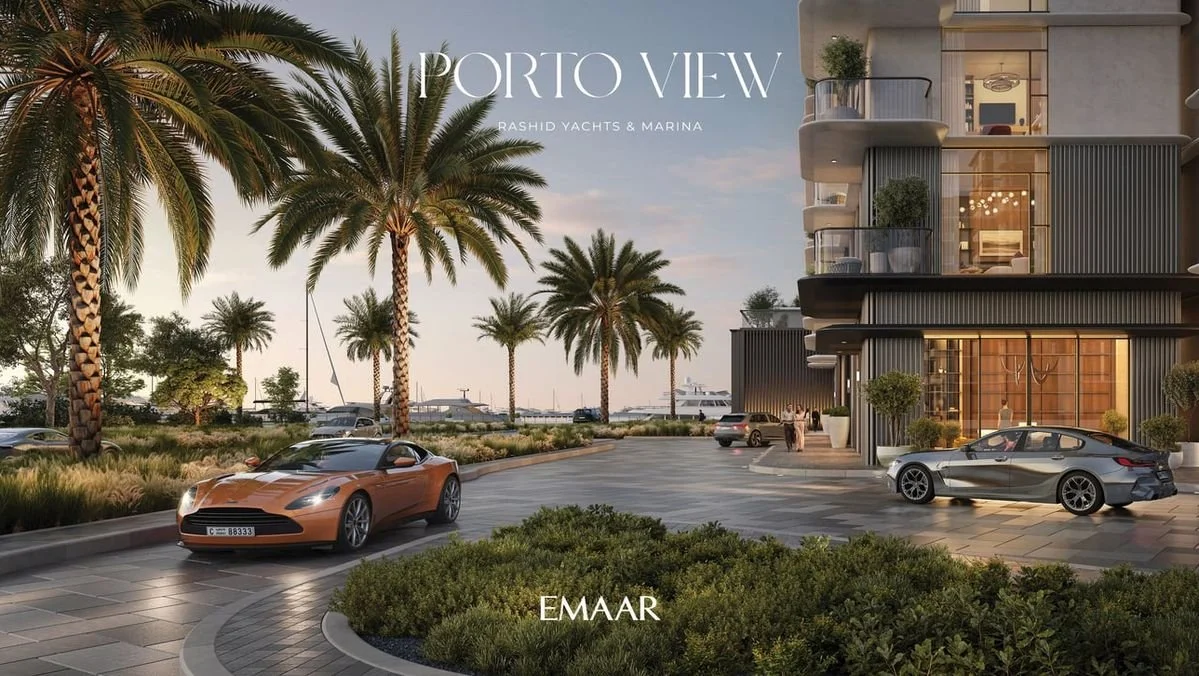
Designing Trust at Scale:
How Visual Identity and UX Shape Perception in Luxury Real Estate Enterprises**
In today’s ultra-competitive luxury real estate landscape, *trust isn’t optional—*it’s fundamental. For enterprise brands selling high-value properties to global investors, the credibility and emotional resonance of your digital experience can directly influence purchase decisions worth tens of millions of dollars. What distinguishes transformational digital experiences from transactional ones? A strategic fusion of visual identity and user experience (UX)—designed not merely for usability, but as a corporate asset that builds trust, communicates excellence, and reinforces brand value.
In this detailed exploration, we’ll define why visual design and UX matter more than ever in 2026, illuminate current industry trends, and articulate how enterprise real estate organizations can harness design to cultivate confidence among luxury buyers, partners, and stakeholders.
1. The Strategic Value of Visual Identity in Luxury Real Estate
First impressions in luxury markets are not passive—they signal competence, exclusivity, and cultural sophistication. Research shows that visual design communicates brand values long before textual content is read, with users processing visual information up to 60,000 times faster than text.
A meticulously crafted visual identity system does more than look beautiful:
Communicates credibility: Premium typography, balanced layouts, and refined color palettes immediately signal professionalism and market authority. Blue and earth-toned palettes, for example, are psychologically associated with trust, stability, and authenticity—critical signals for investors evaluating high-risk, high-value assets.
Reflects brand purpose: Visual cues tied to architectural heritage, craftsmanship, and sustainability resonate deeply with affluent audiences who view property ownership as both a lifestyle choice and a legacy.
Creates consistency across channels: From on-site signage to mobile browsing, consistency across all touchpoints reduces cognitive friction and strengthens brand recall.
Trend Insight 2026: Identity systems are evolving to be adaptive and dynamic, not static. Responsive logo systems and tactile 3D marks that adjust fluidly across physical signage, digital platforms, and immersive interfaces are gaining traction, enabling brands to maintain recognizability while delivering context-specific experiences.
2. UX as a Corporate Trust Mechanism
At an enterprise level, UX design is not simply about navigation—it’s about organizational trust and perception engineering. When a high-net-worth buyer or global investor interacts with a property portal or a branded experience, they’re interpreting far more than real estate listings—they’re assessing the company behind the experience.
Key UX drivers of trust include:
Predictability and clarity: Clear user journeys with no ambiguity help eliminate anxiety, an under-recognized barrier to high-value commitment. Thoughtful information architecture and microcopy reassure users and create cognitive ease.
Personalization at scale: AI-driven search and recommendation engines tailor property suggestions based on preferences, lifestyle indicators, and investment criteria—strengthening perceived relevance and engagement.
Immersive experiences: Interactive 3D tours, high-definition property visualizations, and live virtual open houses foster emotional connection even before an in-person visit occurs. These digital touchpoints humanize the property and the brand itself.
Inclusivity and accessibility: Adhering to global accessibility standards not only broadens reach but signals corporate commitment to ethical design and inclusivity.
3. Digital Luxury Trends in 2026 Real Estate and UX
The luxury market in 2026 is defined by depth over gloss—a deliberate shift from purely minimal aesthetics toward visual experiences that evoke emotional warmth, individuality, and human craftsmanship.
Anti-AI Crafting and Human Expression
Despite the proliferation of AI-generated visuals, leading designers are embracing anti-AI craftsmanship—work that emphasizes authentic texture, human imperfections, and tactile depth. This visual direction signals human presence in an increasingly automated world, reinforcing trust through perceptible humanity in design.
For luxury real estate brands, this means integrating analog-inspired visuals (e.g., architectural sketches, layered textures) with digital interfaces to balance innovation with craft.
Immersive and Responsive Identity Systems
Brand identity is expanding beyond static logos into responsive, multisensory identity systems that adapt to immersive digital environments—websites, VR presentations, and even AI-guided interfaces. This modernization helps enterprises stay relevant across platforms while preserving heritage and trust signals.
Hyper-Personalization and AI
Luxury buyers increasingly expect experiences tailored to their distinct lifestyles. AI engines analyze behaviors, preferences, and historical engagement to present bespoke content, properties, and insights. This tailored UX feels exclusive and personalized—key elements of luxury positioning.
Augmented and Virtual Reality
Augmented reality allows prospective buyers to visualize a property’s potential in real time, while virtual reality showcases entire developments in immersive spaces. Both modes reduce uncertainty, expand global reach, and reinforce confidence—particularly for cross-border investments.
4. Corporate Implications: Return on Trust
In enterprise luxury real estate, trust is measurable. Investment decisions—whether from high-net-worth individuals, institutional investors, or international partners—are impacted by brand clarity, UX quality, and digital trust markers.
Business advantages of investing in elite design:
Higher engagement metrics: Personalized, visually compelling interfaces keep prospects engaged longer, increasing lead capture and conversion.
Brand loyalty: Clients who feel understood and valued through thoughtful UX are more likely to return for future investments.
Reduced friction in global markets: Consistent, culturally cognizant UX fosters confidence among diverse investor groups.
Competitive differentiation: In an era where listings can look similar, design–driven experiences become a core differentiator.
5. Crafting Design That Conveys Trust
Here are the strategic design priorities that enterprise real estate leaders should adopt:
Holistic Brand Frameworks: Move beyond logos and color palettes into complete identity ecosystems that articulate values, heritage, and experience across all touchpoints.
Narrative-Driven UX: Storytell through design—use visuals, motion, and interaction to communicate property provenance, architectural intent, and lifestyle exclusivity.
Data-Informed Personalization: Harness AI and analytics not just to present properties, but to anticipate aspirations, building relevance at every engagement.
Human-Centered Visual Language: Balance digital perfection with elements of craft, warmth, and emotional resonance—trust thrives where authenticity lives.
Conclusion: Design as a Strategic Asset
In 2026, luxury real estate enterprises are competing not just for attention, but for credibility, emotional resonance, and enduring trust. Visual identity and UX design are no longer aesthetic afterthoughts—they are corporate strategic imperatives that shape perception at every level of the buyer journey.
By embracing the latest design trends, prioritizing human-centered experiences, and aligning every digital touchpoint with the brand’s core values, luxury real estate brands can transform digital platforms from sales funnels into trust engines—where clarity, confidence, and human connection drive business value.