Blog
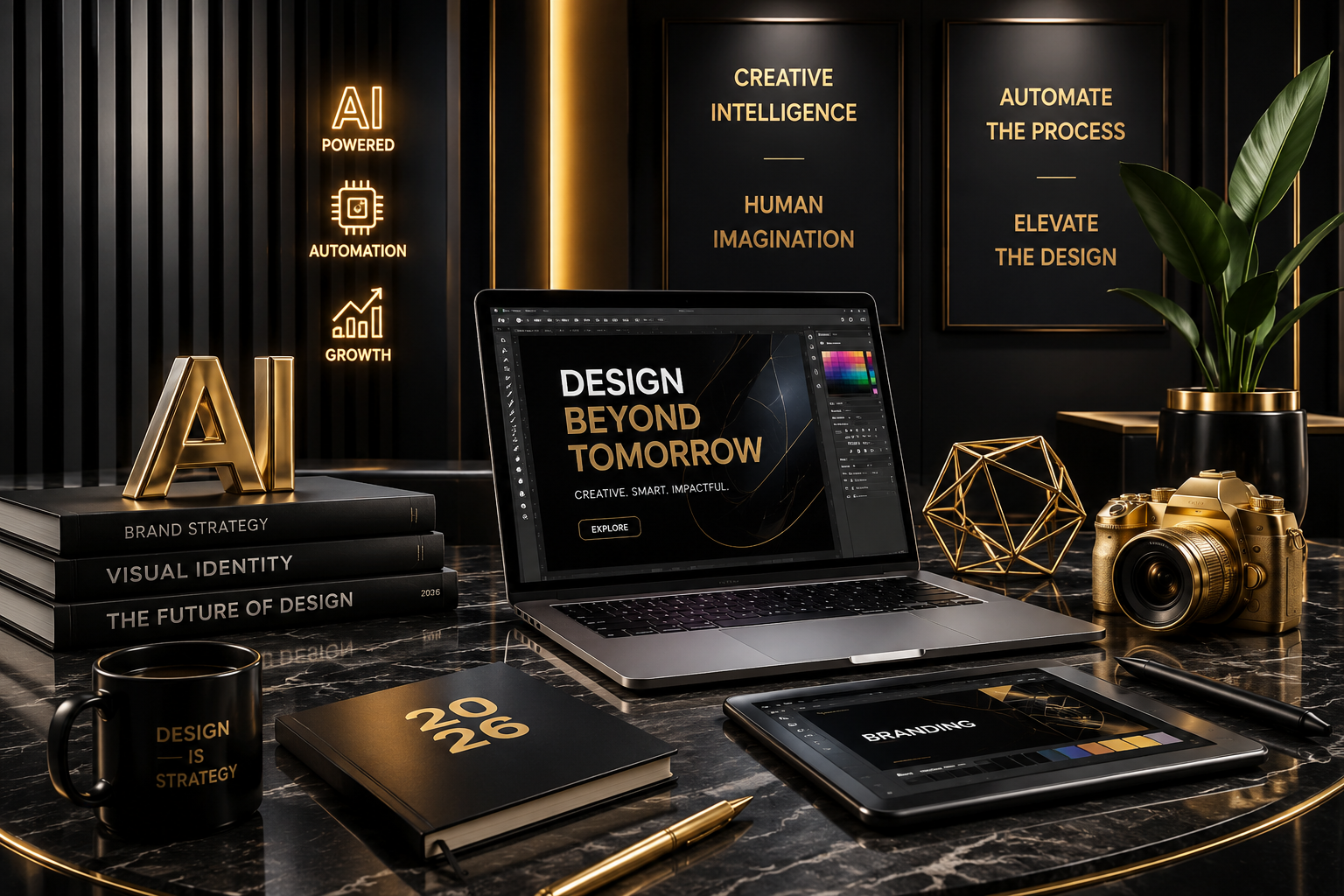
Design in 2026:
Graphic Design Trends 2026 | AI in Graphic Design, Email Design, Branding, and Workflow Automation in Modern Design Industry
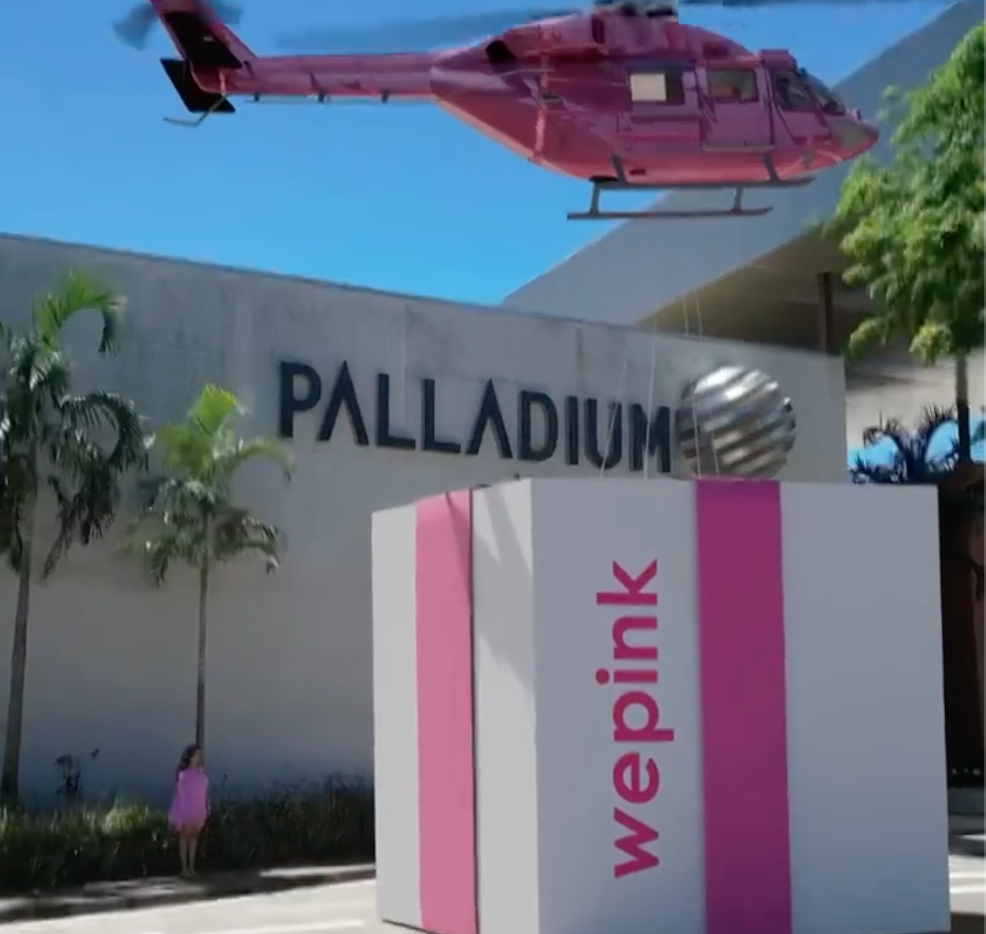
Pink Intelligence
Set in a luxury mall washed in vibrant pink tones, this AI-driven motion concept for We Pink captures a moment of anticipation. Where beauty, technology, and refined storytelling converge.
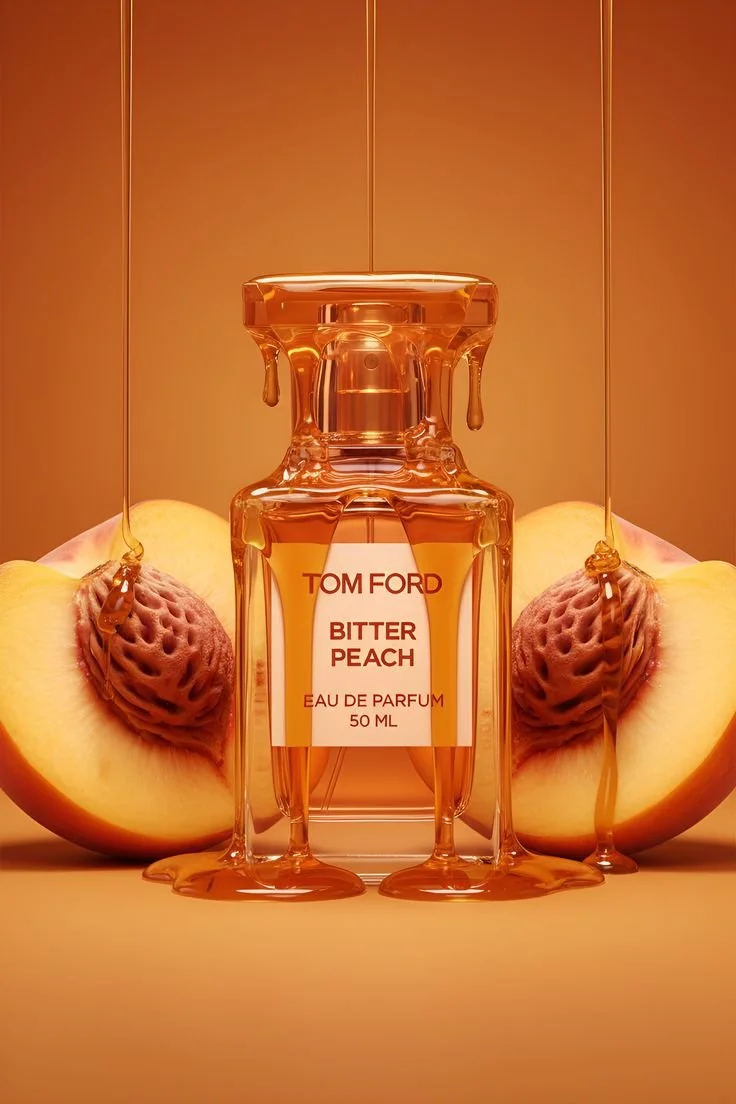
Human Touch in a Digital World
As design becomes increasingly automated, true luxury is found in what feels human. Imperfection, craftsmanship, and individuality are emerging as the ultimate differentiators—reshaping how brands connect, resonate, and endure.
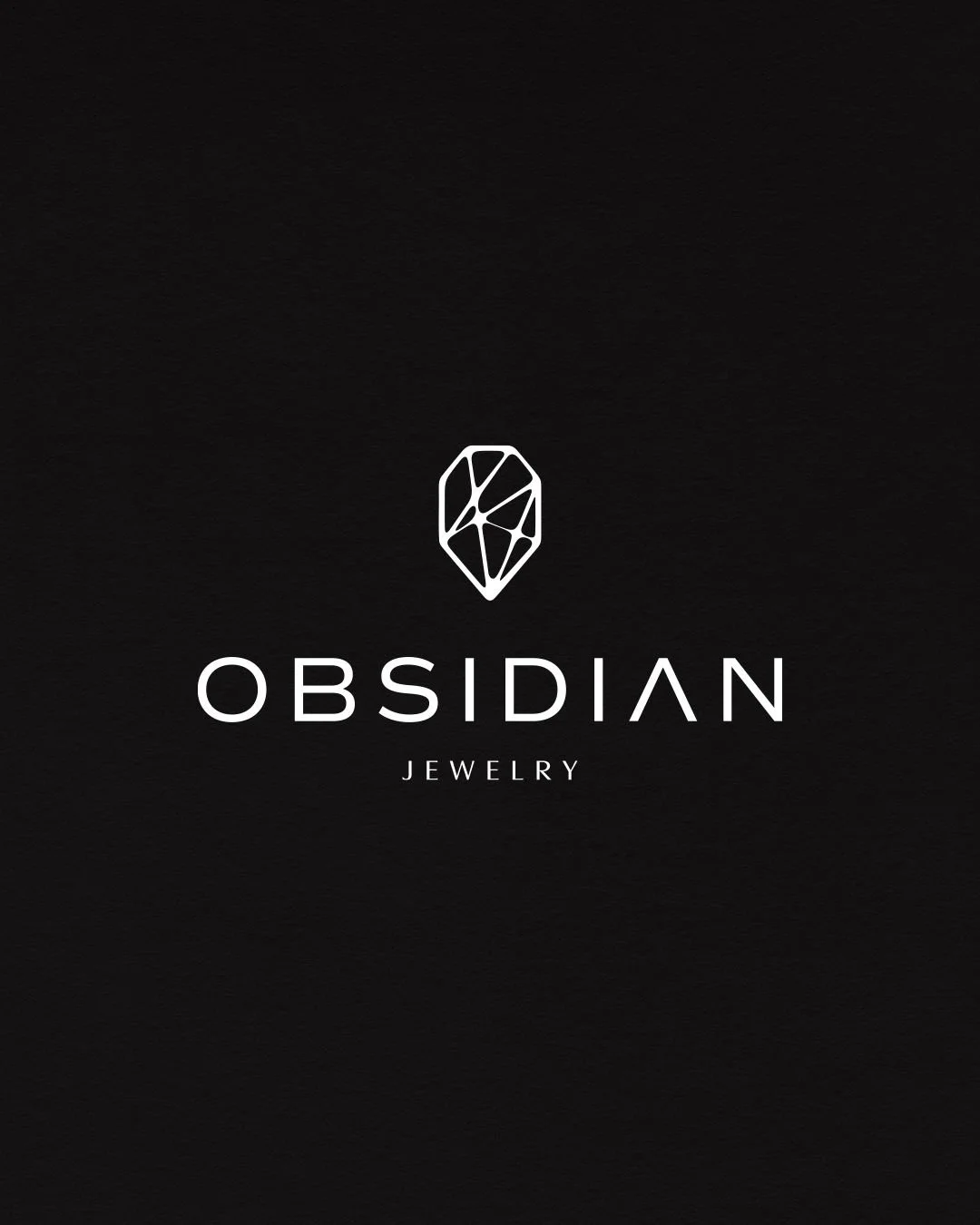
Dark Luxury: The Power of Obsidian Aesthetics
Luxury has taken a darker turn. Deep tones, subtle contrasts, and moody palettes are defining a new visual language—one that feels cinematic, intimate, and undeniably exclusive. In 2026, darkness isn’t absence—it’s intention.
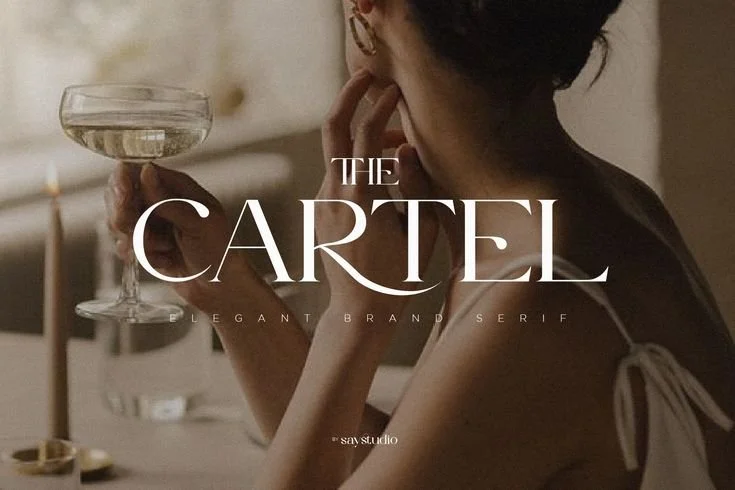
Typography as Identity
Typography is no longer a supporting element—it is the identity itself. From expressive letterforms to heritage-inspired serifs, luxury brands are turning type into their most distinctive asset, creating visual systems that are both timeless and unmistakably their own.
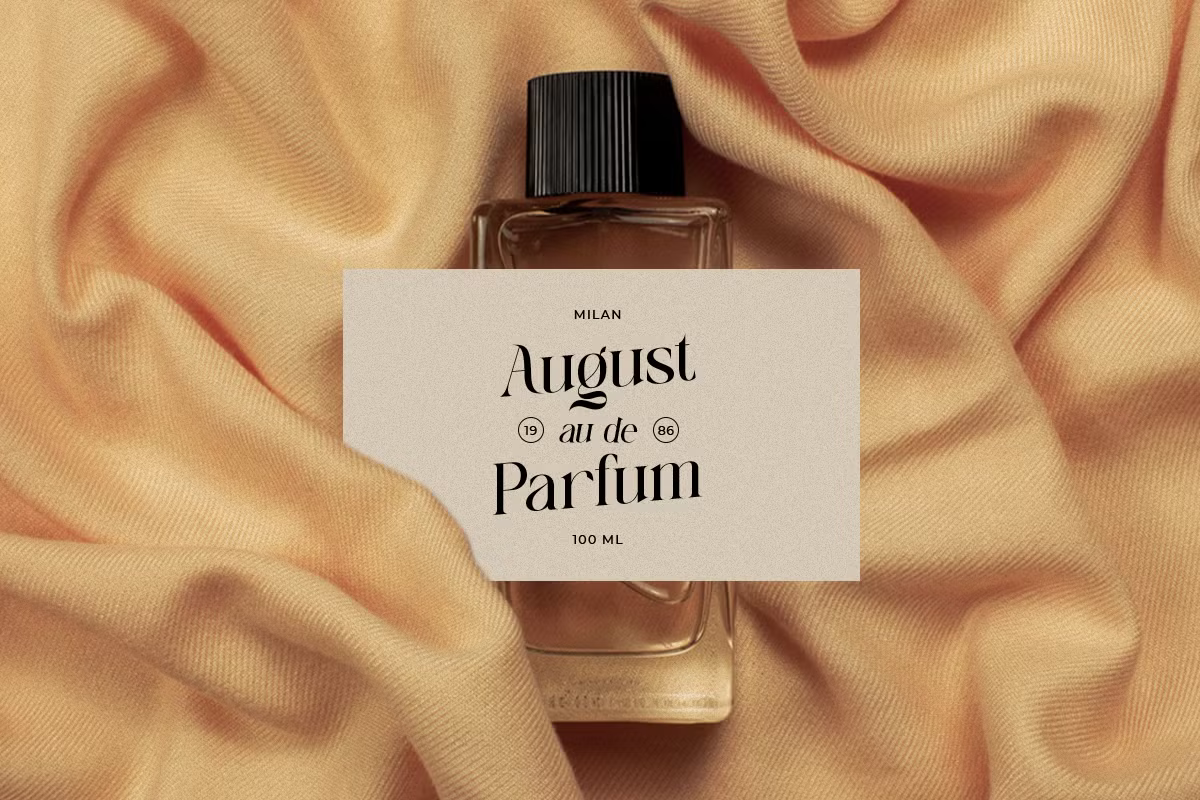
The Rise of Subtle Branding
In a world of visual noise, the most powerful luxury brands are choosing silence. Through precision, restraint, and intentional design, quiet branding is redefining how prestige is communicated—proving that impact doesn’t require excess, only clarity and confidence.
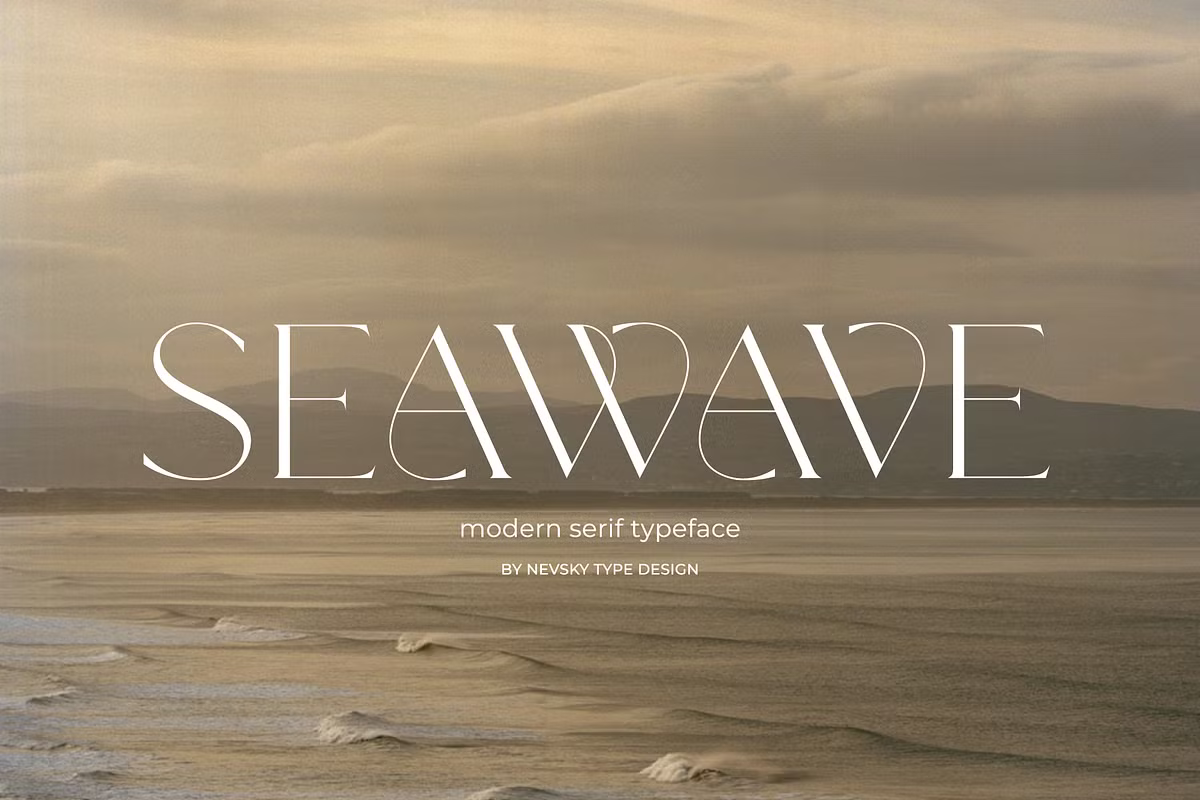
The Return of Depth
minimalism defined an era of luxury—but in 2026, restraint alone is no longer enough. Today’s most compelling brands are reintroducing depth, layering, and tactility to create visual experiences that feel immersive, not just refined. This shift marks a new chapter where simplicity meets dimension.
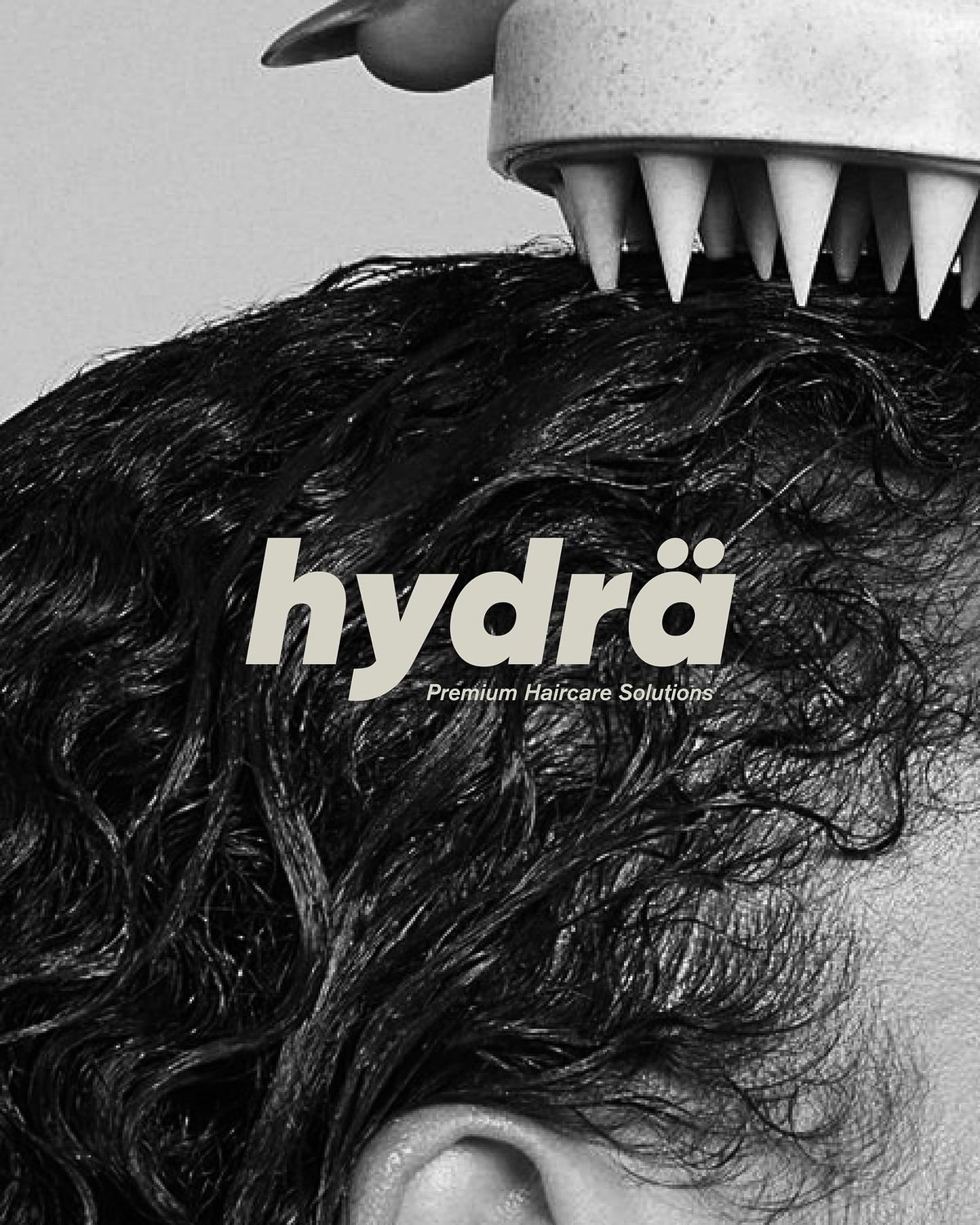
Beauty Branding
Beauty brands don’t just sell products—they shape belief. This article explores how color, motion, and typography influence trust, emotion, and desire in beauty branding, and why design psychology has become a critical advantage for companies building modern, scalable brands.
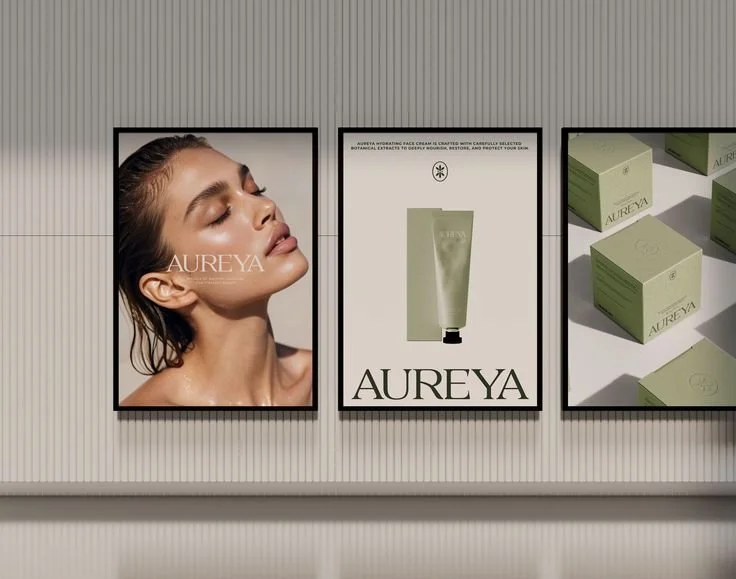
Beauty Conversion
In beauty e-commerce, UX has become the new point of sale. This article explores how cosmetics brands use conversion-driven UX and UI design to replace the in-store experience, reduce friction, and build trust across mobile and web. From product storytelling and shade-selector UX to mobile-first design and optimization, this is a senior designer’s perspective on creating beauty experiences that sell.
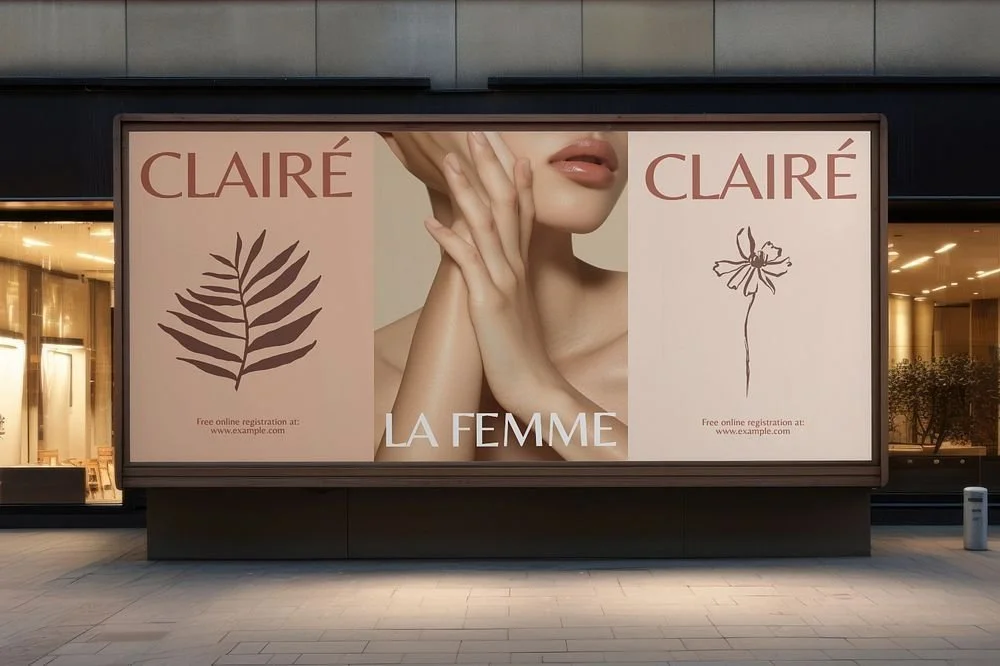
Visual Ecosystems
In 2026, enterprise beauty brands succeed by delivering cohesive, emotionally driven digital experiences — not isolated design moments. This article explores how leading cosmetics companies use UX, UI, and graphic design systems to create consistent visual ecosystems across e-commerce, mobile, social, and emerging technologies. From sensory-driven interfaces to scalable design systems and performance-led optimization, this is a senior designer’s perspective on building beauty brands that connect, scale, and convert.
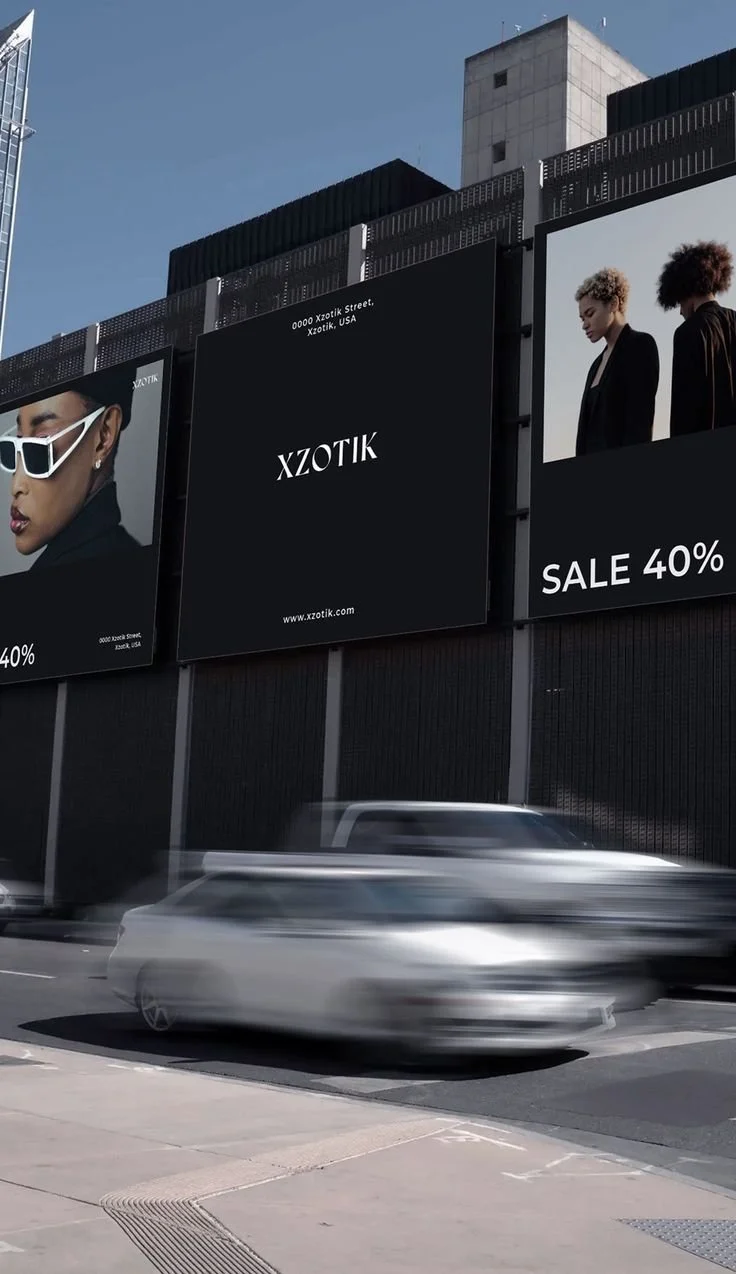
Visual Systems
My approach as a Senior Designer focuses on building modular design systems, not one-off assets. I create adaptive typography, responsive identity components, flexible color ecosystems, and motion behaviors that scale seamlessly across digital and physical touchpoints. By integrating AI-assisted exploration, data-driven user insights, and cross-platform testing, I deliver cohesive brand systems engineered to evolve and perform. In fast-moving, high-value markets, strategic design is a measurable competitive advantage, not decoration.
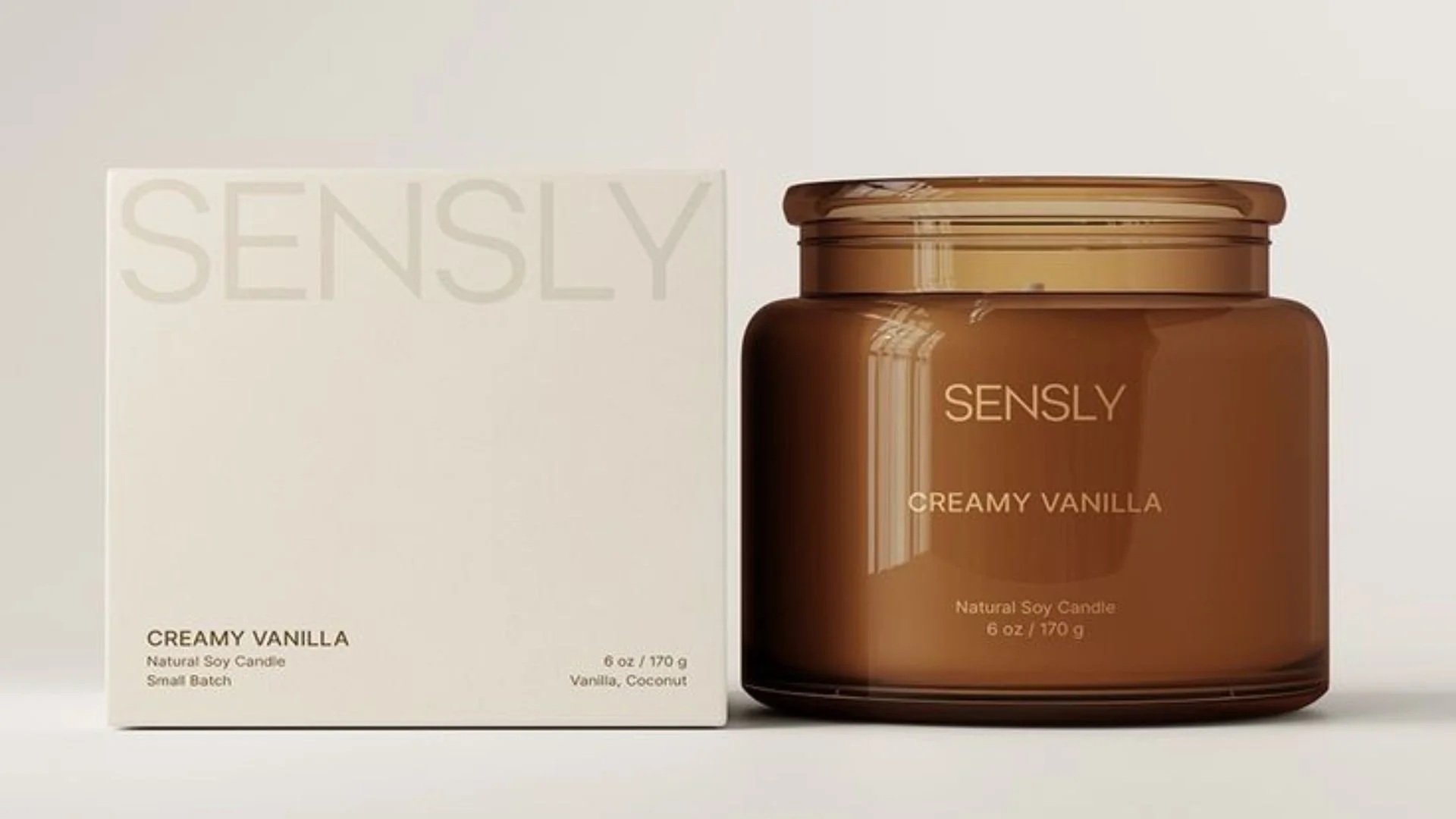
Branding Success
Behind every successful brand identity is a strategy-first design process. In this post, I break down my senior-level approach to building brand systems that don’t just look beautiful — they perform. From deep discovery and narrative-driven concepting to scalable visual systems and real-world testing, this is how I create brand identities that connect emotionally and convert consistently across fashion, beauty, hospitality, and travel.
Beyond Aesthetics
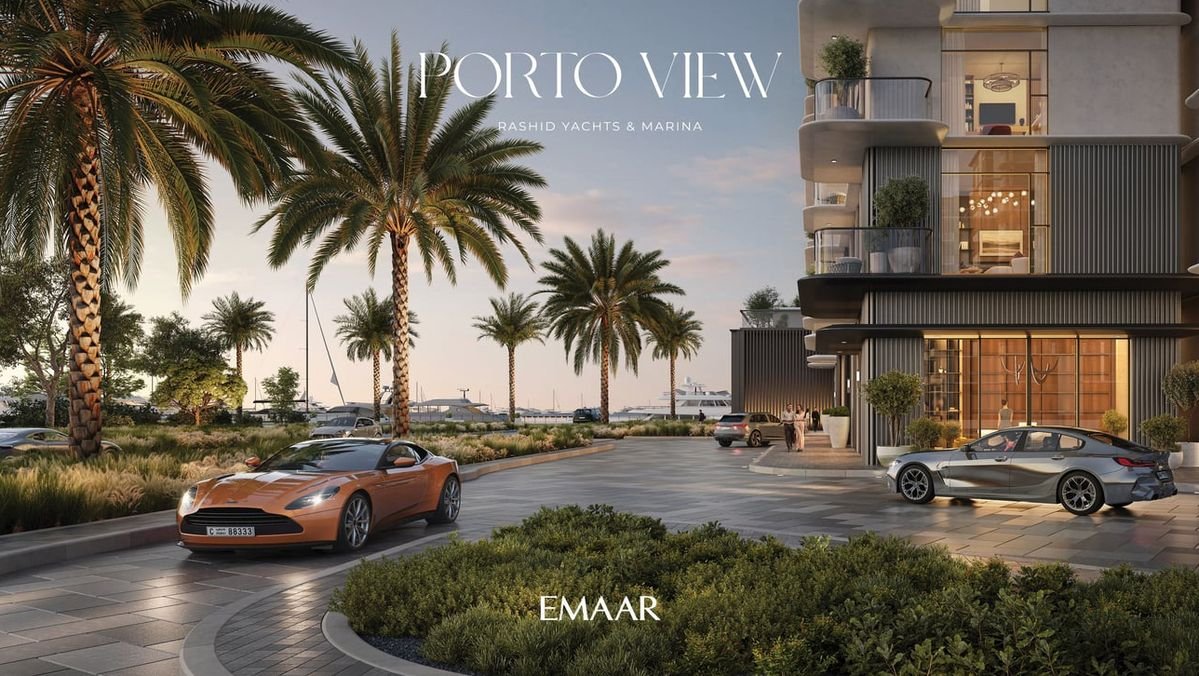
In luxury real estate, user experience is a critical driver of trust, confidence, and perceived value. High-net-worth clients expect digital interactions that reflect the same precision, clarity, and refinement as the properties themselves. This article explores how strategic UX design—through intuitive journeys, refined visual systems, and scalable digital frameworks—transforms complex real estate platforms into trusted brand experiences that support investment decisions, reinforce credibility, and elevate enterprise-level market positioning.

From Blueprint to Brand:
In today’s high-stakes architectural market, a firm’s digital presence is as critical as its physical designs. Strategic UX and visual identity systems translate architectural precision into client-facing experiences, building trust, credibility, and lasting impact. From interactive portfolios to responsive interfaces, enterprise firms can leverage design to communicate expertise, streamline decision-making, and reinforce brand authority—ensuring that every digital touchpoint reflects the same rigor, innovation, and elegance as their built work.