Branding Success
How I Build Brand Identities That Convert: A Senior Designer’s Process From Discovery to Deployment
Behind every strong visual identity is a strategy-driven process. As a Senior Designer working across fashion, hospitality, beauty, and travel, my method blends storytelling, analytics, and modern design principles to create brands that connect emotionally and convert consistently.
Phase 1: Discovery & Insights
Before I move a single pixel, I map out the brand’s:
Audience archetypes
Competitive landscape
Industry-specific visual language
Business goals and KPIs
Tone, personality, and core values
For example, a beauty brand’s visual strategy must lean into tactile texture, aspirational photography, and softness — while a travel brand requires energy, movement, and emotional escapism.
Phase 2: Story-Driven Concepting
I build brand narratives that drive every design decision.
A narrative might be:
“Soft luxury for the modern minimalist”
“A destination brand rooted in movement and discovery”
“Streetwear unapologetically designed for culture-makers”
These narratives guide:
Typography ecosystems
Color psychology
Photo direction
Motion language
Visual rhythm
This ensures that identity isn’t just looking good — it’s telling a cohesive and intentional story.
Phase 3: Crafting the Visual System
A brand today needs more than a logo; it needs a complete system. I create:
Primary + secondary logo sets
Iconography and motif systems
Type hierarchies optimized for web + social
Color palettes including neutrals, accents, accessibility variants
Social templates
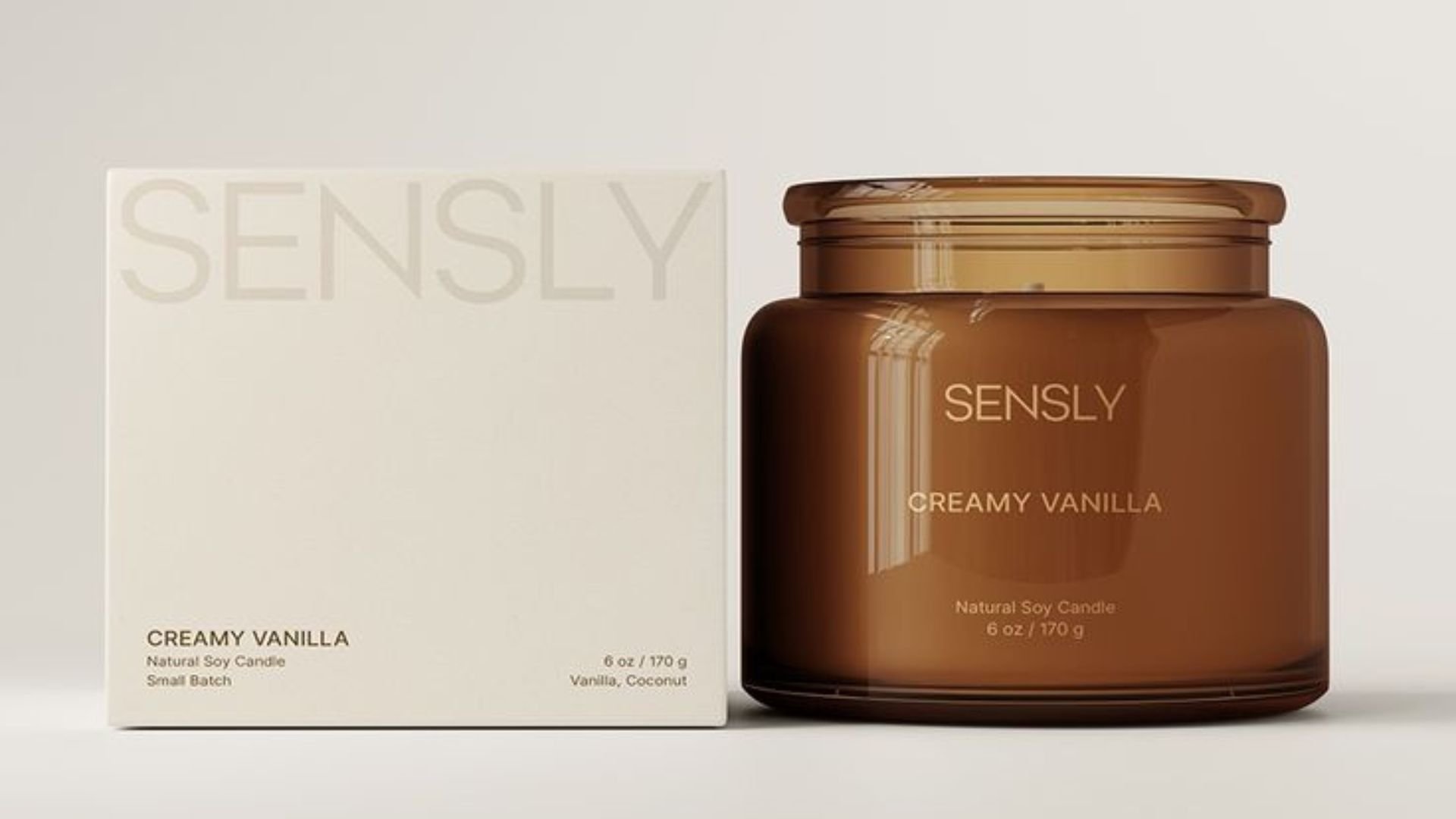
Packaging + print collateral
Motion identity and animation behavior
Documentation that makes the system future-proof
My goal is to make it easy for marketing teams, content creators, or other designers to scale the brand consistently.
Phase 4: Deployment & Optimization
Where many designers stop, I continue.
I test visuals digitally using:
A/B testing
Social layout simulations
Mobile-first mockups
Dark mode vs. light mode appearances
Motion prototypes
This ensures the identity performs — not just visually, but strategically.