Typography as Identity
How expressive and heritage-driven typography is redefining luxury branding in 2026.
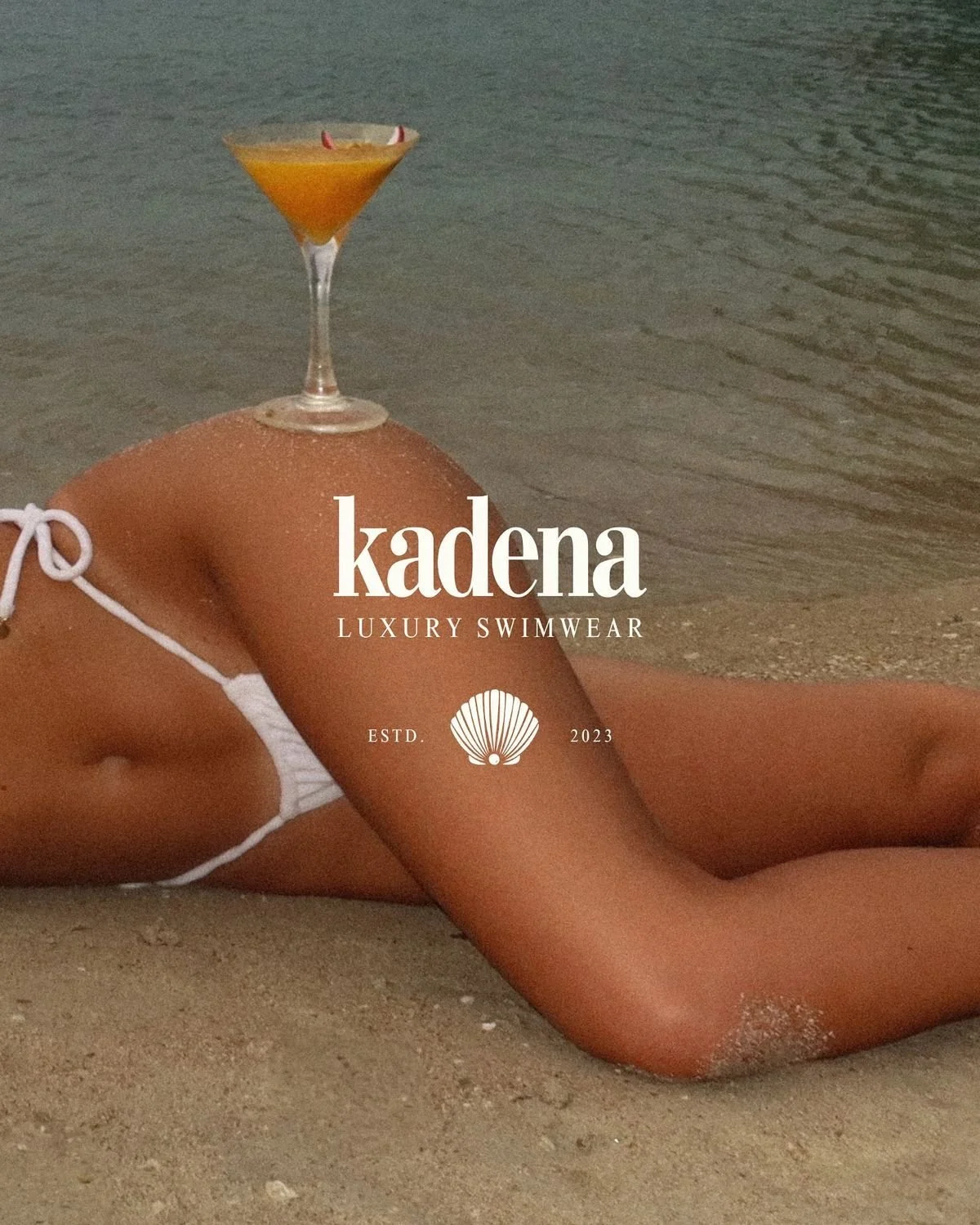
Typography has evolved from a supporting element into the centerpiece of modern luxury branding.
In 2026, brands are increasingly building entire identities around type—transforming wordmarks into distinctive, ownable visual systems. This shift is driven by the need for differentiation in an oversaturated market, where traditional logos alone are no longer enough.
Expressive typography—distorted letterforms, custom serifs, and layered compositions—is gaining traction across fashion and beauty. These designs transform language into art, capturing attention while maintaining elegance.
At the same time, there is a strong return to heritage-inspired typography. Serif fonts, calligraphic influences, and classical proportions are re-emerging as symbols of authenticity and legacy. This reflects a broader movement within luxury: a renewed emphasis on craftsmanship and history.
For designers, the challenge lies in balancing expression with refinement. Typography must remain legible, scalable, and timeless—especially across digital platforms where adaptability is key.
In the luxury space, type is no longer just communication—it is identity, heritage, and emotion, all in one form.