Visual Ecosystems
How Enterprise Beauty Brands Create Cohesive Visual Ecosystems Across Digital Touchpoints in 2026
— A 10-Minute Read on UX, Graphic & Brand Design Strategies That Drive Engagement and Conversion
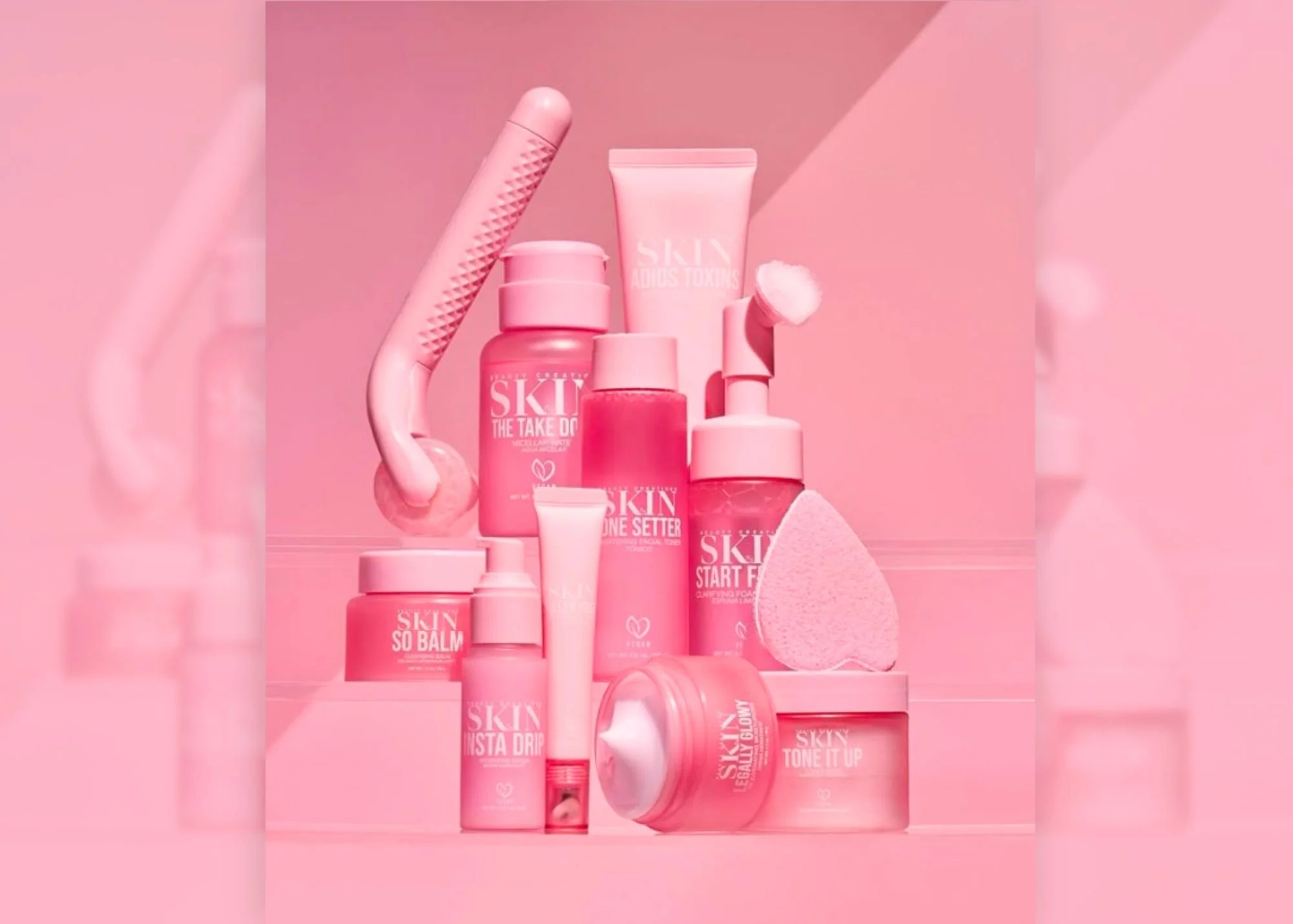
Introduction: Beauty Branding Is No Longer About Isolated Design Moments
In 2026, enterprise beauty and cosmetics brands are no longer competing solely on product quality or influencer reach. They’re competing on experience — how seamlessly a customer moves from discovery to purchase to loyalty across every digital touchpoint.
A single consumer journey might begin on social, move to mobile e-commerce, continue through an AR try-on, and finish with post-purchase email flows or in-app loyalty features. When those experiences feel fragmented, trust breaks down. When they feel cohesive, brands build emotional connection and long-term loyalty.
As a senior graphic, UI, and UX designer working within beauty and cosmetics, I’ve seen how the strongest brands operate as intentional visual ecosystems — not collections of disconnected design moments. This article explores how million-dollar beauty brands achieve cohesion at scale, using modern design systems, UX strategy, and performance-driven visuals.
Why Cohesive Visual Ecosystems Matter for Beauty Brands
Today’s beauty customer expects consistency — not just in tone or color, but in how a brand behaves visually across platforms.
Cohesion means aligning:
Brand identity and visual language
UI components and interaction patterns
Motion and micro-interactions
Content, product storytelling, and hierarchy
For enterprise beauty brands, this alignment directly affects conversion, trust, and scalability. When visual systems break down, customers hesitate. When systems are clear and intentional, customers move confidently toward purchase.
Design Systems as the Backbone of Enterprise Beauty Brands
One of the most impactful shifts among large beauty organizations is the adoption of enterprise design systems. These systems allow brands to scale globally while maintaining clarity and consistency.
A modern beauty design system typically includes:
Flexible typography systems for editorial, commerce, and social
Color palettes optimized for accessibility, dark mode, and regional nuance
Reusable UI components across web, mobile, and app experiences
Motion guidelines that reflect brand personality
Documentation that enables internal teams to execute consistently
For example, a global skincare brand expanding into multiple international markets struggled with inconsistent product pages and campaign visuals. By implementing a shared design system — including type hierarchies, UI components, and visual rules — the brand reduced design inefficiencies and stabilized conversion performance across regions.
Design systems don’t limit creativity — they protect it at scale.
Sensory-Driven UI & Visual Storytelling in Beauty
Beauty is inherently emotional, and in 2026 digital experiences are designed to reflect that. Leading cosmetics brands are leaning into sensory-driven interfaces that suggest texture, softness, hydration, and glow — even through a screen.
This approach often blends:
Soft gradients and tactile backgrounds
Editorial typography paired with clean UI frameworks
Subtle motion that mirrors physical product qualities
High-performance imagery optimized for speed and clarity
Luxury beauty brands, for instance, have reimagined product detail pages to feel more like digital editorials — combining motion-enhanced imagery, intentional white space, and refined typography. These changes consistently lead to increased time on page and stronger emotional engagement, reinforcing trust before checkout.
The goal isn’t decoration — it’s emotional clarity.
AR, AI, and Humanized Personalization
By 2026, AR try-ons and AI recommendations are standard in the beauty industry. The difference between average and exceptional experiences lies in how seamlessly these tools integrate with brand identity.
Successful beauty brands use:
Brand-aligned AR interfaces that feel calm and intuitive
AI recommendations framed as curated guidance, not algorithms
Consistent visual language across AR, product pages, and checkout
A cosmetics retailer implementing AI-powered shade matching, for example, shifted away from technical language and instead presented recommendations as “editor-approved” or “best match for your undertone.” By humanizing the experience visually and verbally, the brand increased trust while reducing decision fatigue.
Technology should enhance the brand story — not overshadow it.
Mobile-First UX That Drives Conversion
Mobile continues to dominate beauty commerce, making mobile-first UX design essential for enterprise brands.
High-performing beauty experiences prioritize:
Thumb-friendly navigation and layouts
Clear ingredient and benefit transparency
Fast load times without sacrificing visual richness
Streamlined checkout flows
Some enterprise beauty brands have seen notable conversion gains simply by reducing mobile checkout friction while preserving editorial visuals and brand tone. The key is balance — removing unnecessary steps without stripping away the emotional experience that makes the brand desirable.
Great UX doesn’t simplify the brand — it simplifies the path to purchase.
Consistency Across Social, Commerce, and CRM
One of the biggest challenges for enterprise beauty brands is maintaining visual consistency across large teams and multiple channels.
Winning brands treat social content, paid campaigns, email marketing, and e-commerce as parts of a single ecosystem. Senior designers play a crucial role by creating:
Scalable social and campaign templates
Clear usage rules for typography and imagery
Motion standards for video, reels, and ads
Governance systems that protect brand integrity
When brand systems are clear, marketing teams can move faster without diluting the visual identity.
Measuring Design Performance
In 2026, beauty brands don’t rely on intuition alone. Visual decisions are tested, measured, and optimized continuously.
Performance-driven design includes:
A/B testing layouts and imagery
UX heatmap analysis
Dark mode vs. light mode evaluations
Motion and interaction testing
Ongoing optimization based on conversion and engagement metrics
Design success is no longer subjective — it’s measurable.
Final Thoughts: The Senior Designer’s Role in Beauty Enterprises
Enterprise beauty brands need designers who think beyond visuals. They need leaders who understand systems, psychology, performance, and scale.
Senior graphic, UI, and UX designers are responsible for:
Translating brand strategy into cohesive ecosystems
Aligning emotion with conversion
Designing systems that scale across teams and platforms
Protecting brand integrity while enabling growth
In 2026, the most successful beauty brands understand one essential truth:
Cohesive visual ecosystems aren’t just good design — they’re a business advantage.