Beauty Conversion
From Shelf to Screen: UX Principles That Drive Conversion in Beauty E-Commerce
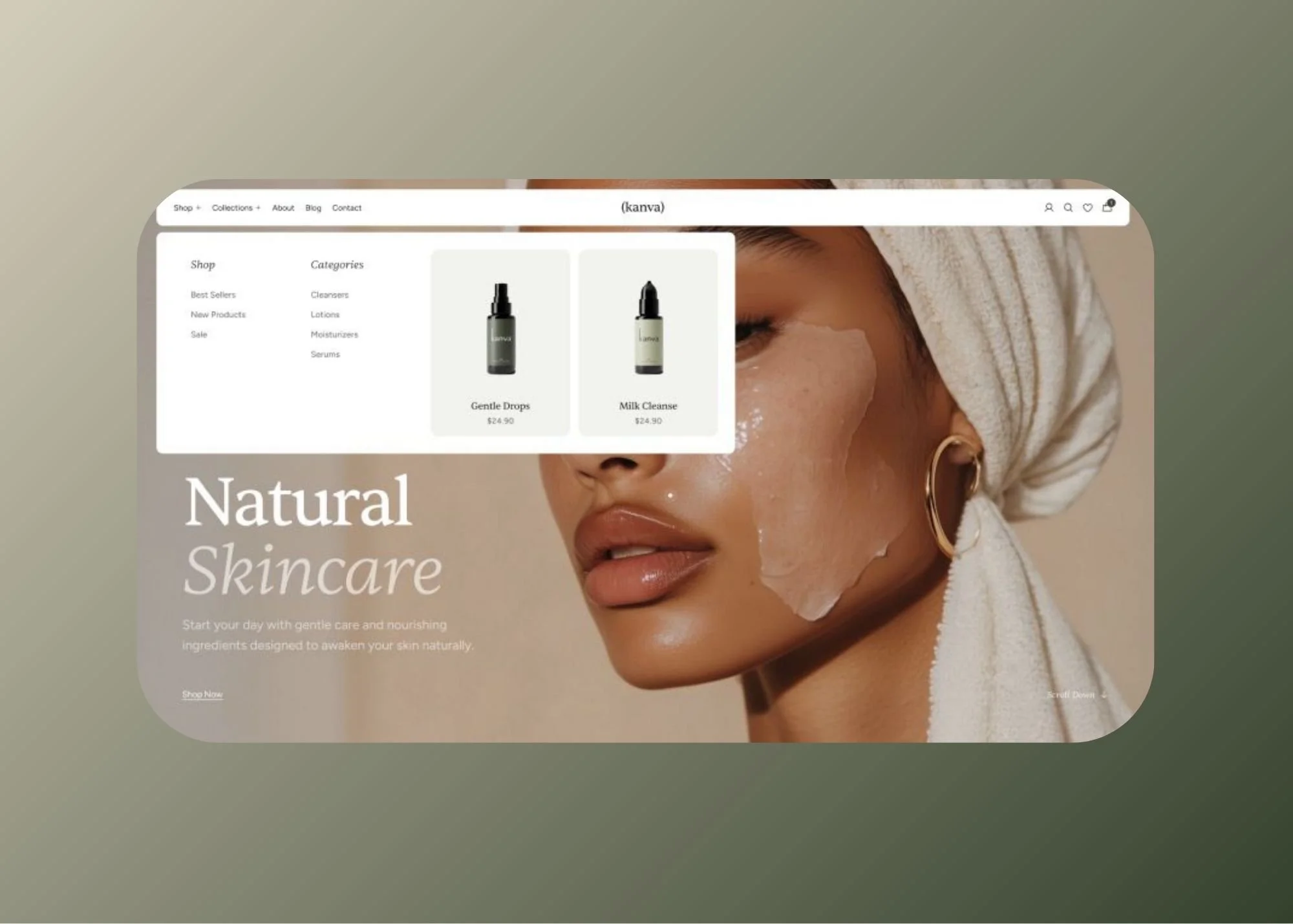
Introduction: Beauty UX Is the New Point of Sale
In beauty and cosmetics, the shelf used to do the selling. Packaging, color, texture, and placement all worked together to persuade customers in a physical retail environment. In 2026, that shelf has moved almost entirely to the screen.
Enterprise beauty brands now rely on UX design, UI systems, and digital product storytelling to replicate — and often outperform — the in-store experience. Conversion no longer depends on aesthetics alone. It depends on how intuitively users can explore, trust, and emotionally connect with a product in a digital space.
As a senior graphic, UI, and UX designer working in beauty e-commerce, I’ve seen how thoughtful UX strategy directly influences revenue. This article breaks down the core UX principles that drive conversion in beauty e-commerce, and how million-dollar brands are applying them across mobile, web, and emerging platforms.
Why UX Is a Revenue Driver in Beauty E-Commerce
Beauty shoppers don’t just buy products — they buy confidence, credibility, and identity. Poor UX introduces hesitation. Great UX removes doubt.
High-performing beauty e-commerce experiences prioritize:
Clarity over clutter
Emotion backed by information
Visual storytelling paired with usability
Mobile-first performance
Search terms like beauty e-commerce UX, cosmetics website design, and UI design for beauty brands continue to rank because brands are realizing UX is no longer a supporting role — it’s central to conversion optimization.
Product Storytelling That Replaces the In-Store Experience
In physical retail, customers can touch packaging, read labels, and speak with sales associates. Digitally, product storytelling must do that work.
Effective beauty product pages combine:
Editorial-style layouts
Clear benefit-driven copy
High-resolution imagery and motion
Structured information hierarchy
Instead of overwhelming users with data, leading cosmetics brands guide users through a narrative:
What the product does
Who it’s for
Why it’s different
How it fits into a routine
Senior UX designers structure product pages to balance emotion and education, ensuring users feel inspired and informed before purchasing.
High-ranking keywords naturally applied here:
beauty product page design, cosmetics UX design, product storytelling for beauty brands
Shade Selectors: One of the Highest-Impact UX Elements in Cosmetics
Shade selection is one of the biggest friction points in beauty e-commerce — and one of the biggest conversion opportunities.
Strong shade selector UX includes:
Clear visual differentiation between shades
Consistent lighting and skin tone representation
Labels that reflect undertones and coverage
Smooth interaction across mobile and desktop
Enterprise beauty brands increasingly combine UI clarity with AI and AR support, allowing users to preview shades while maintaining brand-aligned visuals.
Poorly designed shade selectors lead to abandoned carts and returns. Well-designed ones build confidence and reduce hesitation — directly impacting revenue.
Ingredient Transparency Builds Trust and Increases Conversion
Modern beauty consumers are highly informed. They care about ingredients, sourcing, sustainability, and skin compatibility. UX design plays a critical role in how this information is delivered.
High-converting beauty websites:
Surface ingredient information without clutter
Use expandable sections and tabs
Highlight key benefits visually
Balance scientific accuracy with accessible language
Rather than burying ingredient lists, senior designers treat transparency as part of the brand experience, not a compliance checkbox. Clear UX around ingredients reduces uncertainty and increases purchase confidence — especially in skincare and wellness categories.
Mobile-First UX Is Non-Negotiable in Beauty E-Commerce
The majority of beauty browsing and purchasing happens on mobile. In 2026, mobile-first UX design is the baseline — not a feature.
High-performing mobile beauty experiences focus on:
Thumb-friendly navigation
Minimal cognitive load
Fast performance with high-quality visuals
Seamless checkout flows
Senior UX designers often design mobile layouts first, then scale up to desktop — ensuring that the most common user journey is frictionless.
Even subtle improvements, like reducing checkout steps or improving tap targets, can significantly improve mobile conversion rates for beauty brands.
UI Design That Balances Aesthetics and Usability
Beauty brands are visually driven — but overly decorative UI can harm usability and conversion.
High-converting UI design in beauty e-commerce prioritizes:
Clear typographic hierarchy
Strong contrast and accessibility
Consistent button styles and interactions
Visual rhythm that guides the eye
In enterprise environments, this is achieved through design systems that align brand identity with UX best practices. These systems ensure consistency across product pages, campaigns, and seasonal launches without sacrificing usability.
UX Testing and Optimization in Beauty E-Commerce
Where many brands stop at launch, high-performing beauty brands continue optimizing.
Ongoing UX optimization includes:
A/B testing product layouts
Analyzing heatmaps and scroll behavior
Testing imagery, copy, and CTA placement
Evaluating dark mode vs light mode performance
Senior designers collaborate closely with marketing and analytics teams to ensure design decisions are backed by data — not assumptions.
In beauty e-commerce, small UX changes often lead to measurable revenue gains.
The Role of the Senior Designer in Beauty E-Commerce
At the enterprise level, designers are no longer just executing screens. They’re shaping:
Conversion strategy
Brand trust
Scalable UX systems
Cross-team alignment
Senior graphic, UI, and UX designers translate brand vision into high-performing digital experiences that balance beauty with business outcomes.
Final Thoughts: UX Is the New Competitive Advantage
In 2026, beauty brands don’t win by being the loudest or the trendiest. They win by creating frictionless, emotionally resonant digital experiences that make customers feel confident at every step of the journey.
From shelf to screen, UX design is now the most powerful sales tool in beauty e-commerce.
When done well, it doesn’t just support conversion — it drives it.